
Your brand color is #10B981. The powder-coating shop emails back: "We need a RAL code." This is the moment a hex to ral color converter earns its keep. HEX describes 16.7 million colors; RAL Classic has just 213. There is no exact answer — only the closest one — and knowing how to judge that closeness changes everything.
How HEX to RAL Conversion Works
The tool takes your HEX value, translates it into LAB color space, then walks every RAL color and measures the perceptual distance to each one. The closest RAL color wins. That distance measurement is called Delta-E — a single number that tells you how different two colors look to the human eye.
Here's a concrete example. SnipKit's emerald brand color, #10B981, maps closest to RAL 6024 Traffic Green with a Delta-E of roughly 7.3. That gap is visible side-by-side. Even a carefully chosen brand color doesn't always land near a RAL point. Knowing the Delta-E before you approve a color keeps you from an expensive surprise on the factory floor.
Why You Won't Get an Exact HEX to RAL Match
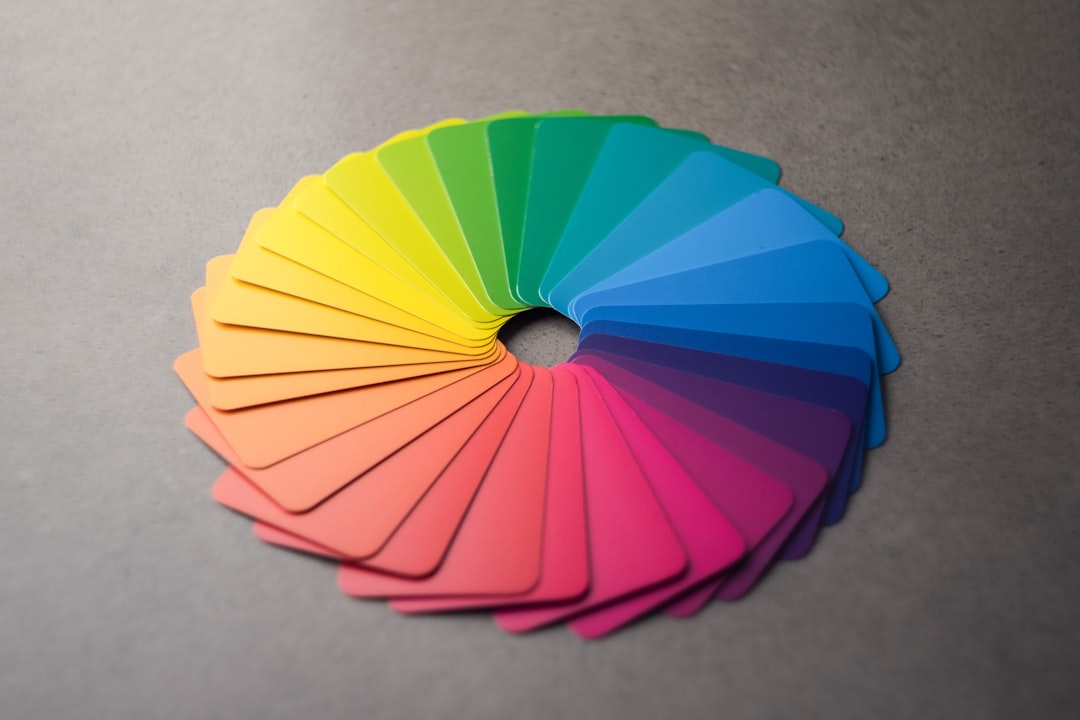
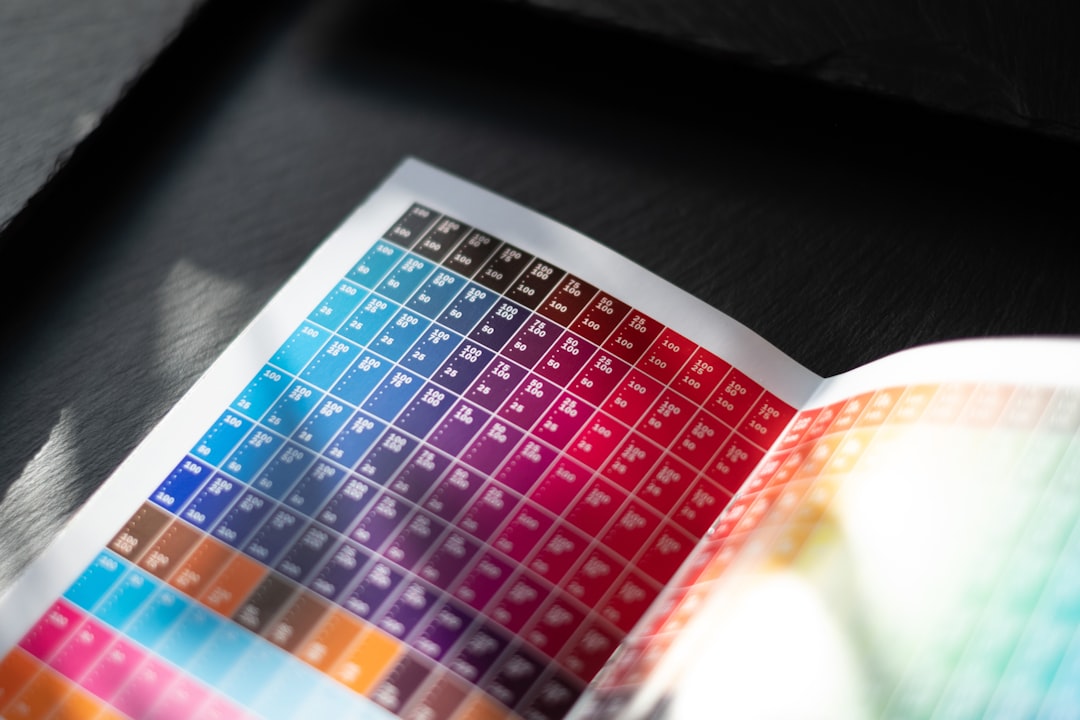
The numbers explain it: 16.7 million HEX values, 213 RAL Classic codes. Most HEX colors fall between RAL points with no exact landing spot. RAL is 213 stepping stones; your HEX almost certainly falls on the floor between them.
Delta-E is the practical signal that tells you how far off you are:
- Delta-E < 1 — the eye cannot detect the difference. Ship it.
- Delta-E 1–2 — very close. Acceptable for almost any use, including brand surfaces.
- Delta-E 2–5 — visible when swatches sit side-by-side. Fine for industrial parts; risky for brand-facing surfaces.
- Delta-E 5+ — clearly different. Request a physical sample before approving.
For anything customer-facing, treat 2 as your upper comfort limit.
RAL Classic vs RAL Design: Which Should You Use?
RAL Classic has 213 colors built for industrial and architectural use — signage, machinery, road markings. RAL Design has 1,825 colors spread more evenly across the spectrum, built for interior design and finer matching.
The decision rule:
- Choose RAL Classic if your color will appear on architecture, infrastructure, or signage. Every supplier stocks it.
- Choose RAL Design if your color is for interior surfaces or you want the closest possible match.
RAL Design gives you a better match but harder sourcing. Use the SnipKit Color Converter to translate a matched RAL color onward to RGB, HSL, or CMYK for your print workflow.
What to Do When No RAL Match Looks Acceptable
Three exit routes when the Delta-E is too high:
- Switch to RAL Design. Going from 213 to 1,825 options dramatically improves your odds of a close match.
- Adjust the brand HEX to land near a RAL point. Pick the nearest RAL, convert it back to HEX, and adopt that as your digital color. The SnipKit Hex Color Picker lets you explore nearby values visually before committing.
- Order custom mixed paint. Most industrial manufacturers mix to your HEX or CMYK directly. Cost is higher, but the approximation disappears.
If you're building a full palette around a RAL-adjacent HEX, the SnipKit Color Palette Generator can show you how complementary colors work together before you finalize anything.
FAQ
Is HEX to RAL conversion exact?
No. HEX represents 16.7 million colors; RAL Classic covers 213. The converter finds the nearest RAL by measuring perceptual distance, but the result is always an approximation. Check the Delta-E — anything below 2 is close enough for most applications.
What does Delta-E mean, and what value should I trust?
Delta-E measures the perceptual difference between two colors. Zero means identical; above 5 means visibly different to most observers. For brand-facing surfaces, target Delta-E under 2. For industrial parts where color is functional, up to 5 is usually acceptable. Request a physical sample whenever Delta-E exceeds 3.
Should I use RAL Classic or RAL Design for my brand color?
Use RAL Classic if the color appears on architecture, signage, or machinery — every supplier carries it. Use RAL Design if you need the closest possible match and can source specialty paint. RAL Design's 1,825-color palette closes the gap for colors that land poorly in Classic.
Conclusion
The hex to ral color workflow is three steps: convert, evaluate with Delta-E, act on the result. A match under Delta-E 2 is ready to approve. A bad match gives you three options: switch to RAL Design, nudge your HEX toward a RAL point, or go custom-mixed. The SnipKit RAL Color Converter shows your top-5 nearest RAL matches side-by-side with Delta-E scores — paste your HEX and you'll have an answer in seconds.